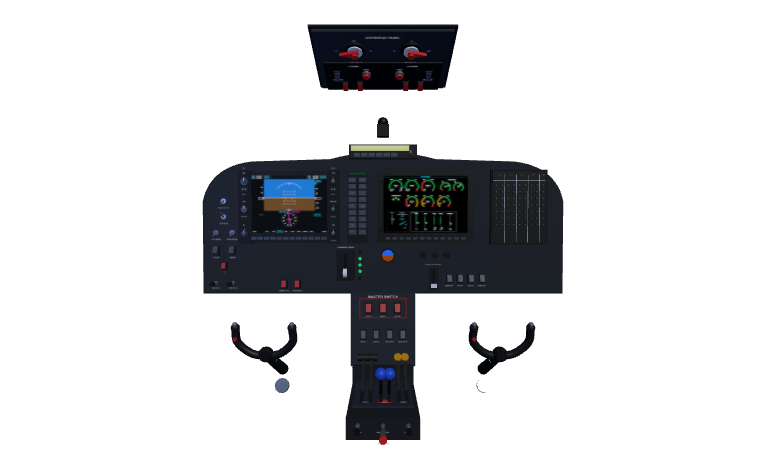
P2006T MkII
Multi engine piston- PANEL
- G1000 NXi REPLICA
- MTOW
- 1230 KG
- CRUISE
- 145 KT
- ENGINES
- 2 × 912S3

One account, one place. Radio practice, IFR procedures, answers with the page they came from, quizzes, the briefing debrief, your plan, and nine cockpits. Each band below is the feature as it looks in the app.
Radio work and radio navigation only come with repetition. The aircraft is the most expensive place to get it.
Real calls against a live traffic pattern. You speak, VOLAR scores the readback, and the aircraft you were told to follow is right there in the circuit.
San Isidro Tower, EC-KDR, holding point Delta, runway 27, ready for departure.
EC-KDR, line up and wait runway 27, traffic on 3-mile final.
Line up and wait runway 27, EC-KDR.
EC-KDR, wind 250 degrees 9 knots, QNH 1015, squawk 7013, cleared for take-off runway 27.
Squawk 7013, cleared for take-off runway 27, EC-KDR.
You read back the squawk but not the QNH. Read back every clearance item you were given.
Pick the aid, the wind and the entry. Fly it, then check your own track against the tolerances you get tested on.
Every answer and every mark comes from a page you can open: the FAA and EASA library, your POH, and your school's SOPs.
If it is not in your documents, it says so.
Tap the citation and the page opens with the line highlighted.
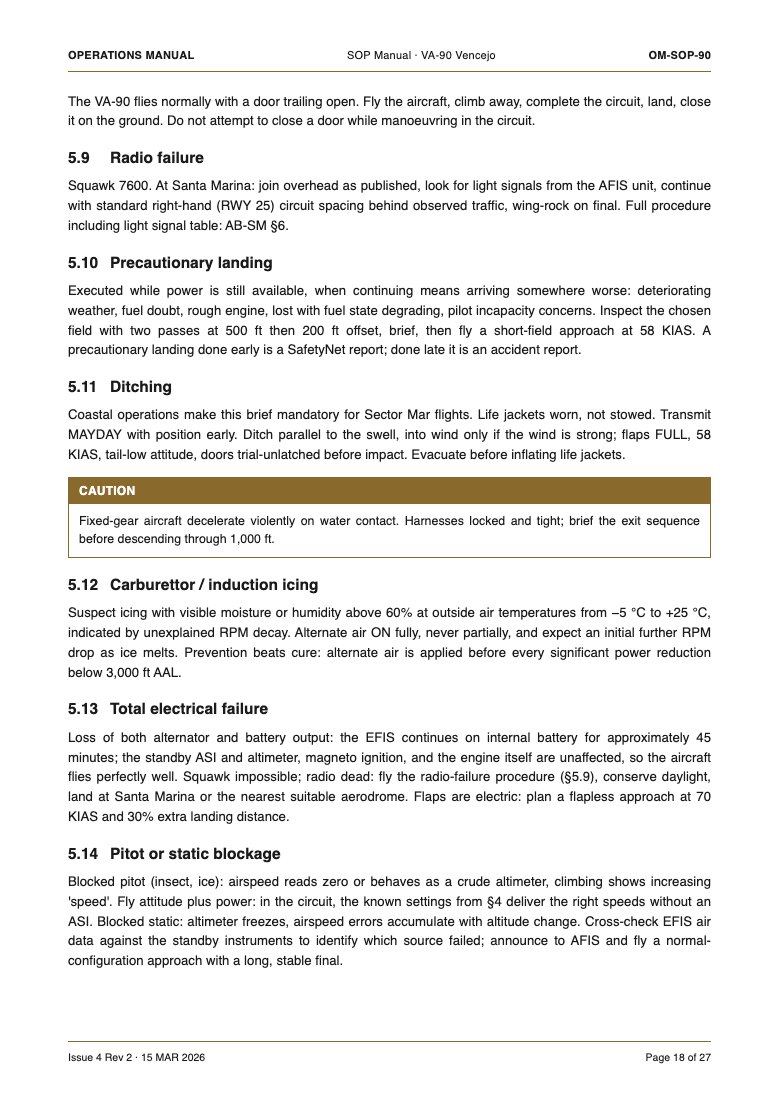
Quizzes on every plan. SOP quizzes via your school.When do I use alternate air on the VA-90?
Suspect induction icing with visible moisture, or humidity above 60%, at an OAT anywhere from −5 °C to +25 °C, and unexplained RPM decay as the symptom. Select alternate air fully on, never partially, and expect a further RPM drop as the ice melts before it recovers. Your SOP applies it before every significant power reduction below 3,000 ft AAL.
VFR in Class G airspace at or below 3,000 ft AMSL: what is the standard minimum flight visibility for an aeroplane?
Table S5-1 sets 5 km at and below 3,000 ft AMSL in Class G, clear of cloud and in sight of the surface. The 1,500 m figure is a reduction for aeroplanes at 140 kt IAS or less where the authority allows it, and 8 km applies at and above FL 100.
"Class G, at and below 3 000 ft AMSL: flight visibility 5 km; clear of cloud and in sight of the surface."
OPEN THE PAGE →Everything you're graded on feeds one picture: what is solid, what is not, and what to open tonight.
Solid on performance and abort criteria. Your engine-failure-after-takeoff plan stopped at 300ft. Brief it to circuit height.
Nine cockpits built from the published manuals, flown in the browser. Not a generic panel with your school's logo on it.
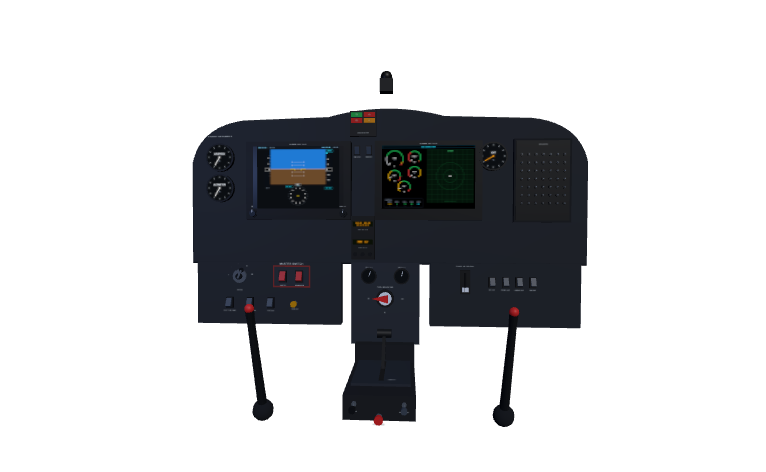
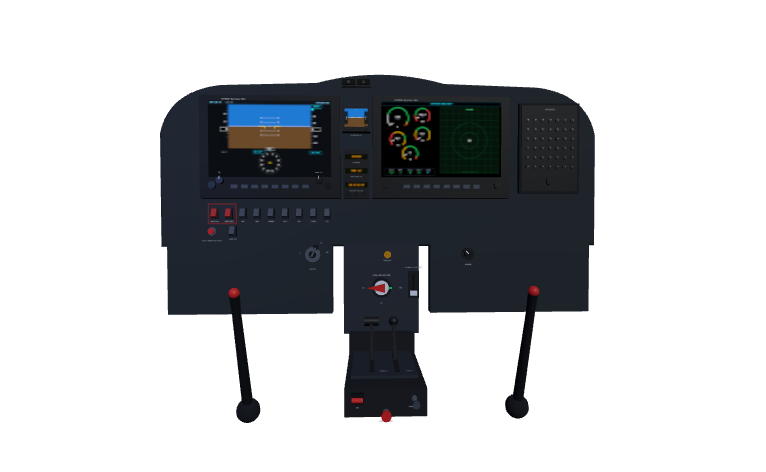
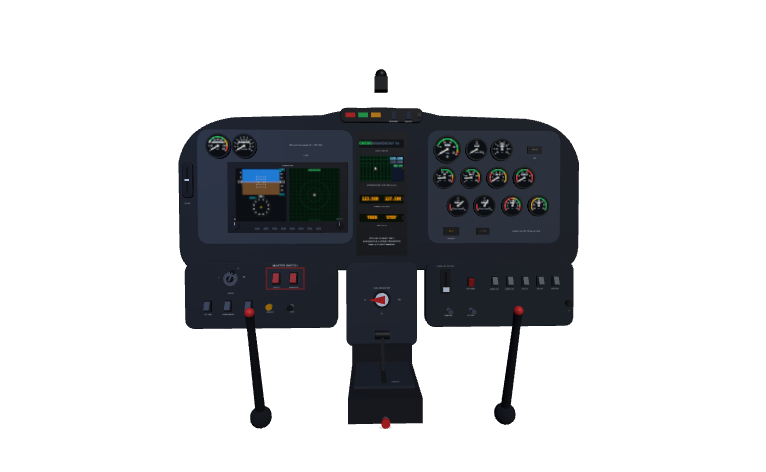
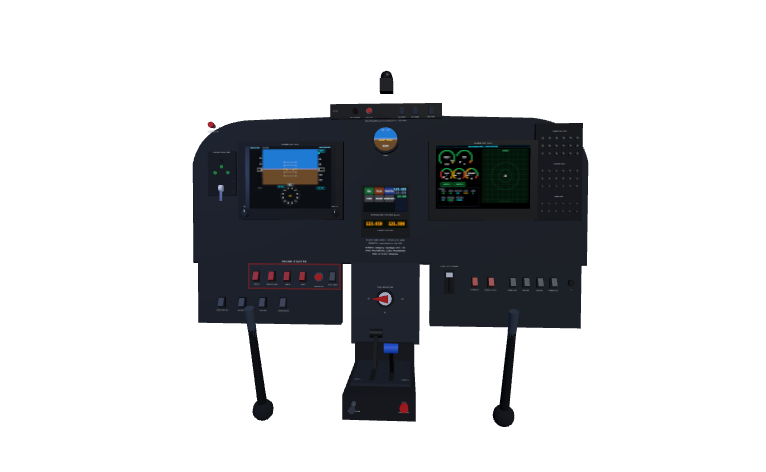
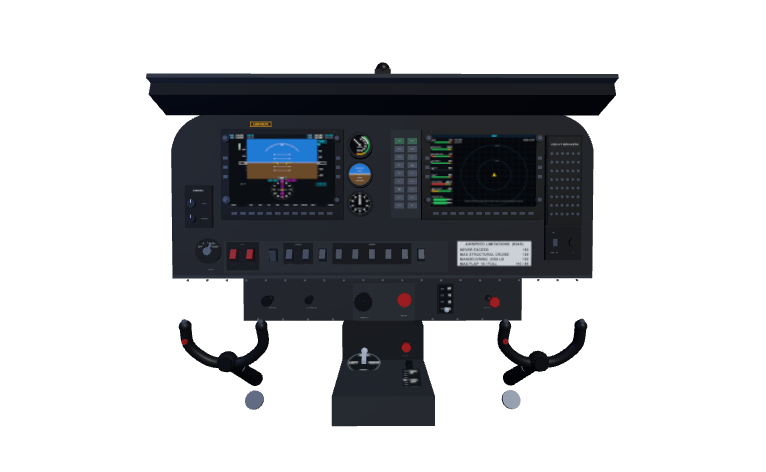
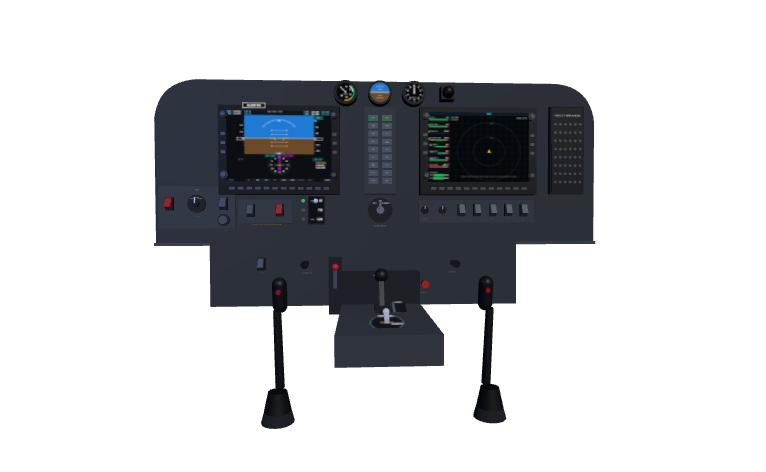
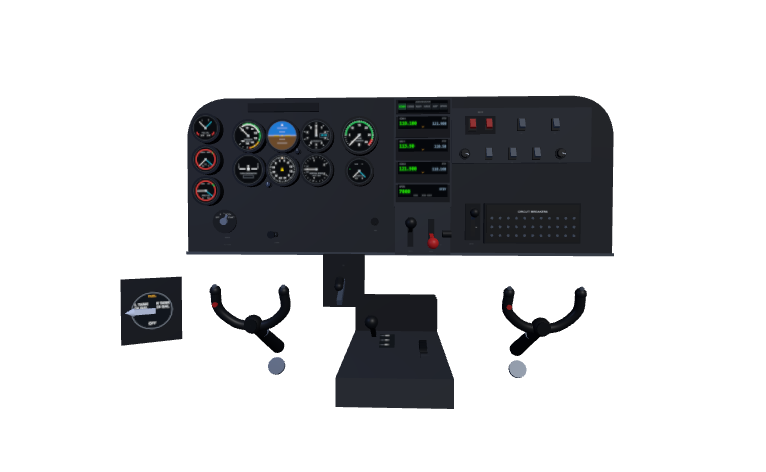
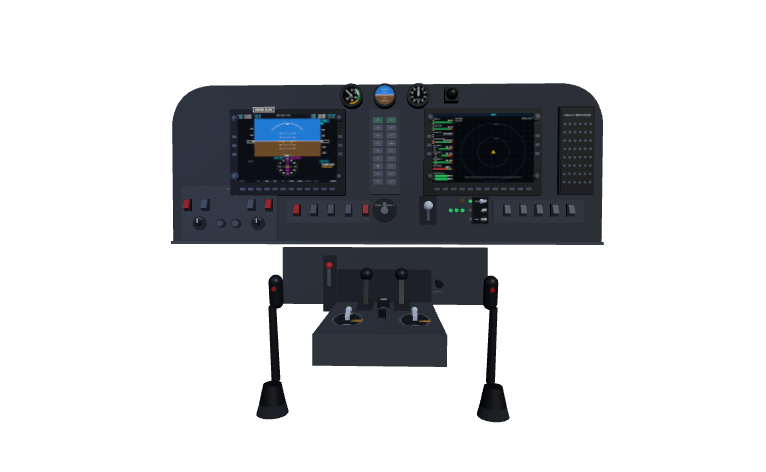
More types are on the way, and the next ones are the ones you ask for.
Every panel is a replica built from published documentation, not the real avionics. Product names identify the panel a replica reproduces and belong to their owners. No manufacturer liveries, markings or software are used.
Most of this page is in the free tier, with a daily limit on each. SOP quizzes and the briefing simulator arrive with your school.
A 30-minute walkthrough, with your own documents if you like. A real person answers.
Tell us which type you fly. The next cockpits are the ones students ask for, and we will write to you when yours is flying.